
How to choose the best games for your casino experience
September 1, 2026W jakie gry kasynowe warto zainwestować czas?
September 1, 2026
The Thrill of Risk and Reward
The allure of gambling is deeply embedded in the human psyche, primarily due to the thrill of risk and the potential for reward. When individuals enter a casino, they are often captivated by the bright lights and sounds that create an atmosphere brimming with excitement. This environment triggers the brain’s reward system, releasing dopamine, a neurotransmitter associated with pleasure. For those seeking entertainment, online platforms like online casino nz provide numerous opportunities to experience this excitement, as this biochemical reaction can lead to a euphoric response, reinforcing the desire to engage in gambling behavior, as players chase that high with every bet placed. The anticipation of a win can be as intoxicating as the actual prize itself, making it a powerful motivator for many.
Furthermore, the psychology of risk-taking plays a significant role in gambling. Many individuals are inherently drawn to activities that provide an element of uncertainty, as it adds excitement to life. Casinos capitalize on this by offering various games with different odds and reward structures, appealing to both casual gamblers and high-stakes players. The combination of potential monetary gain and the psychological thrill of risk creates a potent cocktail that attracts individuals to casinos time and again. This dynamic is evident in high-stakes poker games, where the tension and strategy involved create an exhilarating experience for players.
However, this thrill is not solely about financial gain. For some, gambling is a means of escape from everyday stresses and life challenges. The vibrant casino environment allows players to immerse themselves in a world where they can forget their problems, even if just for a moment. This escapism can be particularly appealing in today’s fast-paced world, making gambling an attractive option for many seeking a temporary reprieve. The combination of risk, reward, and a break from reality creates an enticing prospect that keeps players returning, driven by the need for both excitement and relief.
The Role of Social Interaction
Another significant aspect of gambling at casinos is the social interaction it fosters. While some individuals prefer to gamble alone, many are drawn to the communal atmosphere of casinos, where they can engage with friends or meet new people. The shared experience of playing games, celebrating wins, and commiserating over losses creates a sense of camaraderie among players. This social dynamic can enhance the overall enjoyment of gambling, making it more than just a solitary activity. For instance, the competitive spirit in a lively poker room can elevate the experience, turning it into a social event.
Additionally, the social aspect of gambling is often reinforced by the various events and promotions that casinos host. Tournaments, themed nights, and group games encourage players to gather and participate together, heightening the sense of community and shared excitement. These social interactions can be incredibly appealing, especially for individuals who may feel isolated or disconnected in their daily lives. The ability to bond over a shared interest, such as gaming, can significantly enhance the overall experience, fostering friendships that may transcend the casino walls.

Moreover, the regulation of gambling through social norms within the casino environment can also influence behavior. Players often observe and mimic those around them, creating a sense of belonging and encouraging further engagement. This social validation can lead to an increased desire to gamble, as players seek to maintain their status within the group. Ultimately, the social dimension of gambling enriches the experience, turning it into a collective adventure rather than a solitary endeavor, where the ties formed can be as valuable as the games played.
The Impact of Cognitive Biases
Cognitive biases also play a crucial role in gambling behaviors. Players often fall prey to the illusion of control, believing their skills or strategies can influence the outcome of games of chance. This psychological phenomenon can lead to overconfidence, causing players to take riskier bets than they might otherwise consider. For example, a poker player might convince themselves they have a winning hand, disregarding the odds in favor of their gut feeling. This mindset can result in significant losses, as the player misinterprets their ability to control a fundamentally random event.
Moreover, the gambler’s fallacy, the belief that past random events influence future outcomes, can also impact decision-making in casinos. Players might think that because a particular slot machine hasn’t paid out recently, it’s “due” for a win, prompting them to invest more. This skewed perception of reality can lead to substantial financial losses as players chase their misconceptions, believing they can predict outcomes when, in reality, the odds remain unchanged. This cognitive trap can be particularly dangerous, leading individuals to gamble beyond their means.
These cognitive biases are further exacerbated by casino design, which often employs tactics to create an illusion of success. For instance, the frequent near-wins in slot machines can create a false sense of accomplishment, encouraging players to continue gambling despite actual losses. Understanding these biases is critical for gamblers, as they can lead to irrational decisions and addiction if left unchecked. Recognizing these patterns can empower players to approach gambling with a more rational mindset, reducing the likelihood of falling into the traps set by their own cognitive distortions.
The Influence of Marketing and Environment
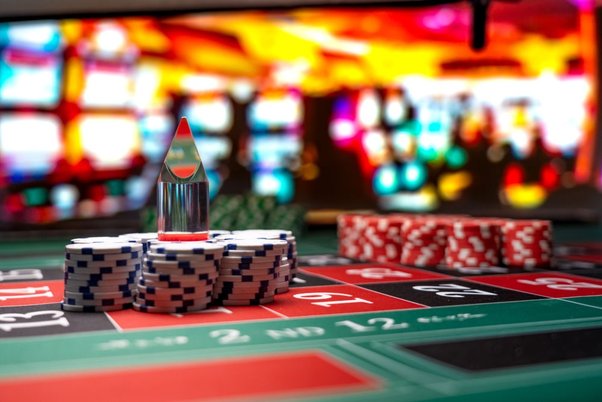
The marketing strategies employed by casinos contribute significantly to the psychology of gambling. Casinos are designed to be visually appealing, engaging all the senses to create a unique experience that keeps players inside for longer. The use of vibrant colors, captivating sounds, and even the smell of complimentary food is meticulously crafted to stimulate excitement and prolong players’ stay. These environmental cues play a vital role in creating an atmosphere where players feel compelled to participate. The layout of the casino, with games strategically placed within sight of one another, encourages movement and exploration, drawing players deeper into the gaming experience.
Moreover, promotional offers and loyalty programs are designed to draw players into the gambling experience further. By offering incentives such as free spins or bonuses, casinos can create a sense of urgency and exclusivity that encourages individuals to gamble more. These promotional tactics can lead to an increased frequency of visits and higher spending, as players feel they cannot pass up the chance to take advantage of special offers. The psychological impact of these marketing strategies cannot be overstated, as they tap into players’ desires for both reward and belonging.
The psychological impact of these marketing strategies cannot be overstated. Every element of a casino, from its layout to its promotional tactics, is designed to maximize engagement and keep players coming back. Understanding the influence of these marketing strategies can empower individuals to make more informed decisions about their gambling habits and recognize when they might be becoming ensnared in the enticing web of casino life. Awareness of these tactics can enable players to resist impulsive decisions driven by the casino’s alluring environment.
Understanding Responsible Gambling
As we delve deeper into the psychology behind gambling, it is crucial to emphasize the importance of responsible gambling. Recognizing the potential for addiction and the psychological impact of gambling behavior is vital for both players and the industry. Awareness of the signs of problem gambling, such as chasing losses or neglecting personal responsibilities, can help individuals make more informed decisions. Support systems, such as counseling and self-exclusion programs, can provide necessary assistance to those who may find themselves in trouble. This awareness is particularly important as it empowers gamblers to take control of their activities, ensuring that they do not spiral into negative patterns.
Additionally, the industry itself plays a critical role in promoting responsible gambling practices. Many casinos now implement measures to ensure player safety, such as setting deposit limits and providing resources for individuals seeking help. These initiatives demonstrate a commitment to fostering a safe environment for all players, highlighting the importance of balancing enjoyment with responsibility. By promoting awareness and providing tools for self-regulation, casinos can help mitigate the risks associated with gambling, ensuring that it remains a form of entertainment rather than a source of distress.
Overall, understanding the psychological aspects of gambling can lead to healthier habits and a more enjoyable experience. By recognizing the triggers and motivations behind gambling, individuals can approach the activity with greater mindfulness, ensuring that it remains a fun and entertaining pastime rather than a harmful obsession. When players prioritize responsible gambling, they create a healthier relationship with the activity, maximizing enjoyment while minimizing the risks involved. Engaging with gambling responsibly can lead to a fulfilling experience that enhances life rather than detracts from it.
